How to Use Powder Toothpaste Day to Day
Powder throws people off the first time. The right technique, and how to keep the jar clean over months.
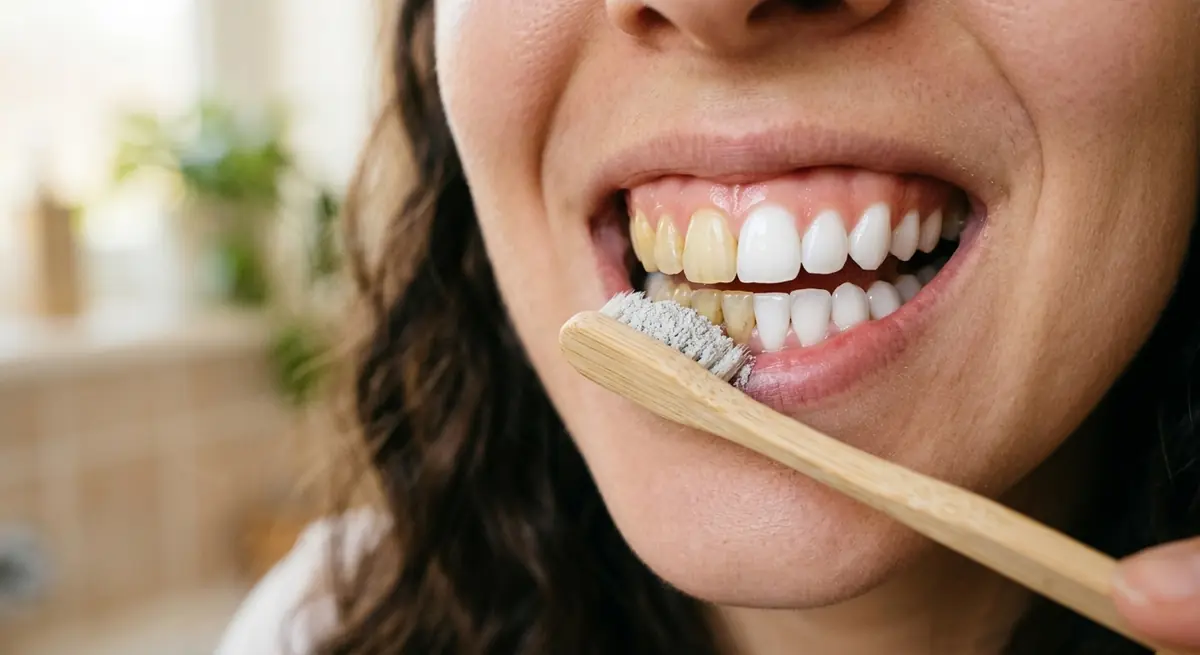
Powder toothpaste is disconcerting the first time, because the usual gesture of squeezing a tube no longer exists. It is actually simpler to use; it just takes a small change of habit.
How to use it, step by step
- Wet your toothbrush, then shake off the excess: a soaking-wet brush will not pick up the powder.
- Dip the tips of the bristles into the powder, once, lightly.
- Brush as usual for two minutes, then rinse well.
A small amount is plenty. More powder does not clean better; it only makes rinsing take longer. It is also why an 80 g pot lasts so long.
Keeping the pot clean
The one thing to watch: do not dip a dripping brush into the pot. Excess water makes the powder clump and brings moisture into a product designed to stay dry. Shake the brush before dipping, and close the pot properly after each use.
If several people in the house use it, pour a little powder into the palm of your hand or a small dish rather than dipping every brush into the same pot.
Why a powder rather than a tube
- No plastic tube to throw away, which cuts bathroom waste over the year.
- You can see how much is left, so you know exactly where you stand without squeezing a tube.
- The fine texture cleans effectively while respecting enamel.
When to see a dentist
Home care does not replace check-ups. Gums that bleed regularly, persistent sensitivity to hot and cold, or a tooth that changes colour are reasons to see a dentist, not to change toothpaste.
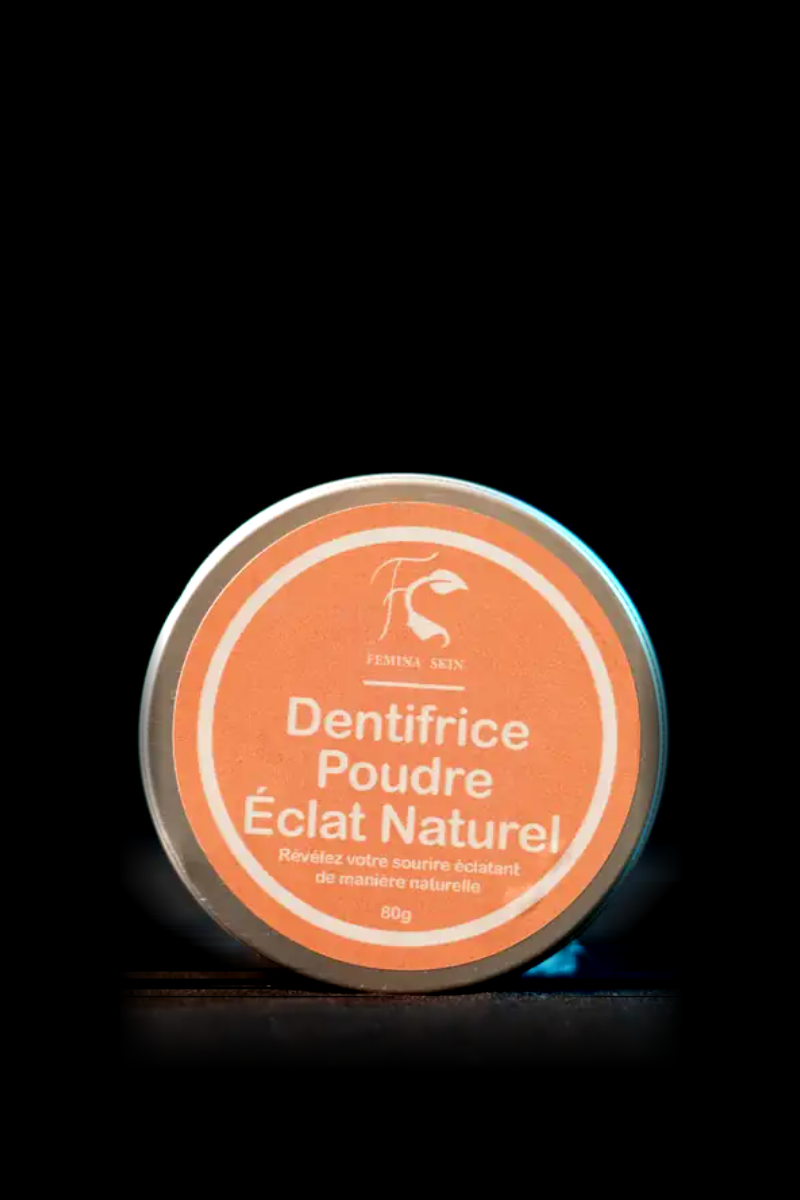 Natural Powder ToothpasteReveal your bright smile, naturallyMAD 65
What is in a powder, and what is not
A tooth powder is usually built on a gentle abrasive, an alkaline agent that neutralises acidity in the mouth, and flavourings. What it usually does not contain are the surfactants that create foam, the humectants that keep a paste soft in a tube, and the preservatives a moist product needs. A dry powder does not need them: the absence of water is what keeps it.
One point deserves to be said plainly rather than skirted: many powders, natural or not, contain no fluoride. Fluoride is currently what best protects enamel against decay, and whether to go without it is a decision to make with your dentist, especially for a child or if you have had repeated cavities.
How long a pot lasts
An 80 g pot lasts on average two to three months for one person brushing twice a day. The amount per brushing is tiny, far less than a ribbon of toothpaste, which is one reason a powder seems expensive to buy but is not expensive to use.
If your pot runs out in three weeks, you are using too much. The lightly moistened bristle tips should pick up a thin layer, not be pushed into the powder.
Travelling, and sharing a bathroom
A powder goes through airport security without counting towards your liquids allowance, which makes it a practical format for hand luggage. Decant some into a small airtight container rather than taking the whole pot, which can open easily in a wash bag.
When several people share a bathroom, the rule is simple: never dip a used brush into the shared pot. Pour a small amount into a cap or the palm of your hand, and close the pot again.
Sensitivity and gums
If your teeth are sensitive to cold, start by alternating: one brushing with the powder and the next with your usual toothpaste, while you see how your mouth reacts. Sensitivity most often comes from thinning enamel or receding gums rather than the product itself, but a poorly judged abrasive can make it worse.
If your gums bleed when you brush, change nothing before talking to a dentist. Regular bleeding is a sign of inflammation, and no toothpaste, powder or tube, treats it.
Frequently asked questions
Do I need a special brush? No, but soft bristles are more than enough: the powder does the cleaning, not the pressure.
Does it whiten teeth? It removes surface stains from tea, coffee and tobacco, which shows gradually. It does not change the natural shade of the tooth, which comes from the dentine beneath the enamel.
Can I use it with braces? Yes, working gently around the brackets, but check with your orthodontist, who knows your appliance.
Brushing technique matters more than the product
Whatever the toothpaste, it is the technique that cleans. Hold the brush at forty-five degrees towards the gum, use small short movements rather than wide horizontal strokes, and brush for two minutes in total, which is longer than it feels.
Do not forget the inner surfaces of the teeth and the tongue, where much of what causes bad breath collects. And do not rinse your mouth out with lots of water straight afterwards: keeping the product in contact for a few moments is better than washing it all away at once.
After an acidic meal
Do not brush in the half hour after orange juice, a fizzy drink or a very vinegary dish. Enamel is temporarily softened by the acid, and brushing then wears it down more than it cleans. Rinse with plain water and wait.
What powder does not replace
Brushing cleans only about three of each tooth's five surfaces. Floss or interdental brushes take care of the other two, the ones that touch, and that is where most cavities between teeth start. No toothpaste, whatever its form, makes up for skipping them.
Likewise, a scale and polish removes what has already hardened onto the tooth, and that cannot be brushed away. One visit a year is the baseline, two if your gums are fragile.
And bad breath?
Persistent bad breath most often comes from the tongue, inflamed gums or a dry mouth, and rarely from the toothpaste. Brush your tongue gently, drink more water, and if nothing changes, it is a sign to have checked rather than to mask.
When to change your toothbrush
Every three months, or sooner if the bristles splay. A flattened brush cleans less and is harder on the gums. Change it after a cold or a sore throat too.
Charcoal and the recipes going around
Charcoal powders are all over the internet, recommended for whitening. The problem is that many are very abrasive, and daily use wears down enamel, which does not grow back. Thinner enamel lets the yellow dentine underneath show through: teeth look darker, not lighter. The Femina Skin powder contains none: its base of white clay and calcium carbonate cleans without attacking enamel, which is why it is grey rather than black.
The same goes for baking soda on its own or lemon: an immediate effect, paid for over time.
Available to order across every city in Morocco, with cash on delivery and fast shipping.