An Oily Skin Routine, Step by Step
Oily skin does not need more products, it needs a clear routine. Four simple steps to balanced skin without the shine.
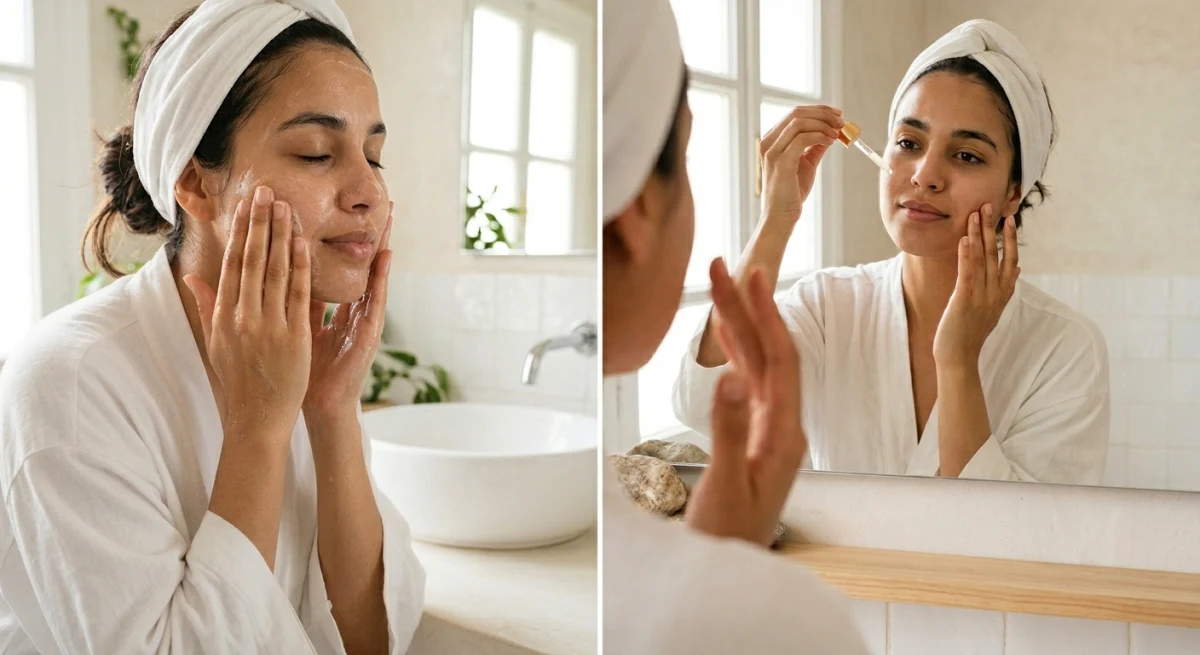
Four steps are enough, morning and evening: a gentle cleanse, a balancing toner, a moisturiser despite the oiliness, and exfoliation once or twice a week. Nothing more, and nothing drying.
Oily skin is often misunderstood. Many people think the answer is to dry the skin out with strong products, but that makes the problem worse: the skin feels stripped and produces even more sebum to compensate. The real answer is balance, not drying it out.
Why does skin become oily?
The sebaceous glands under the skin naturally produce sebum to protect and moisturise it. In some people production runs higher because of hormones, genetics or even the climate. The goal is not to stop that production, but to regulate it.
The basic routine: just four steps
Step 1: cleanse gently, morning and evening. An asbiol cleansing gel removes excess sebum and impurities without over-drying the skin.
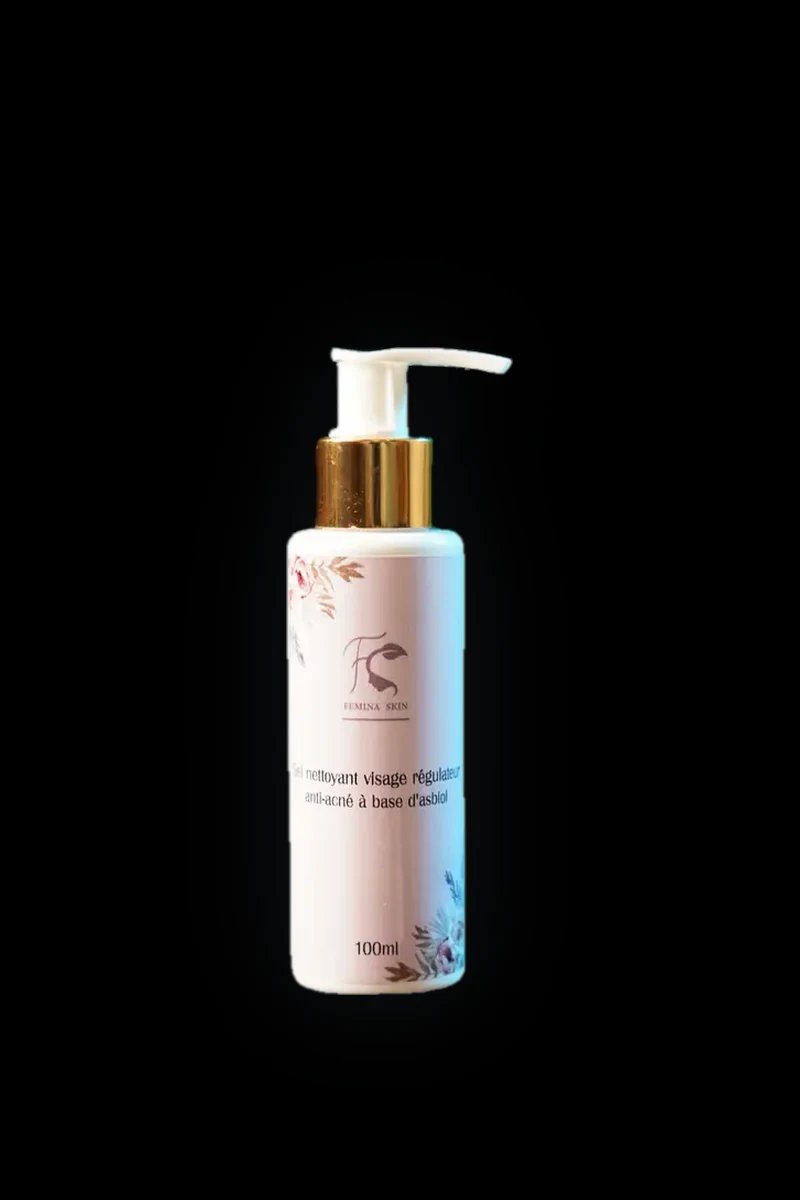 Regulating Anti-Acne Face CleanserWith asbiol and niacinamide, for oily skinMAD 45
Step 2: toner, straight after cleansing. A niacinamide and asbiol toner helps regulate sebum production and visibly tighten pores.
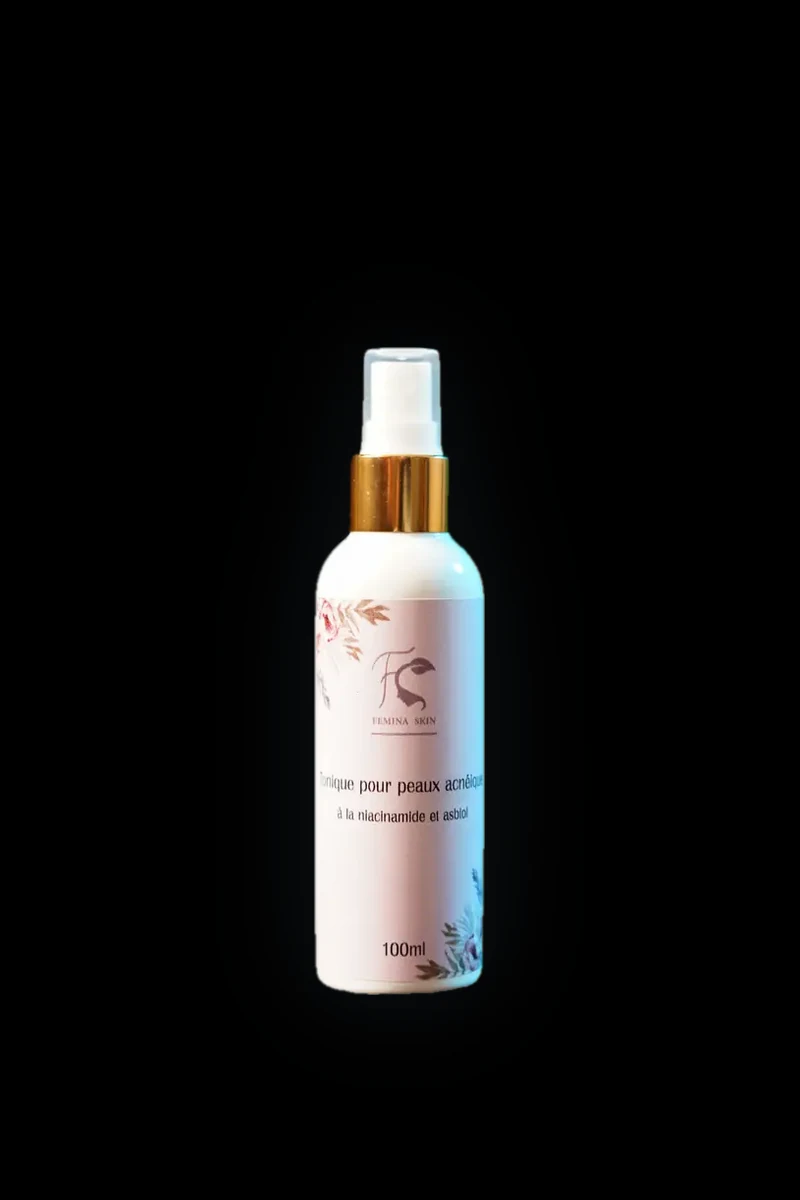 Toner for Acne-Prone SkinWith niacinamide and asbiolMAD 45
- Exfoliate only once or twice a week, not daily, to avoid irritating the skin.
- Moisturising is still essential, even for oily skin: it is exactly what stops the skin overproducing sebum in response to dryness.
- Avoid touching your face often during the day, which transfers sebum and bacteria from your hands to your skin.
Balanced oily skin is better than skin dried out by force.
Steps 3 and 4: moisturising and exfoliating
A light regulating cream moisturises the skin without leaving a greasy film or extra shine, and it is essential even for oily skin.
 Regulating Cream Oily SkinHydrates without shineMAD 80
Weekly exfoliation, meanwhile, helps clear pores deep down and remove the dead cells that clog them and encourage breakouts.
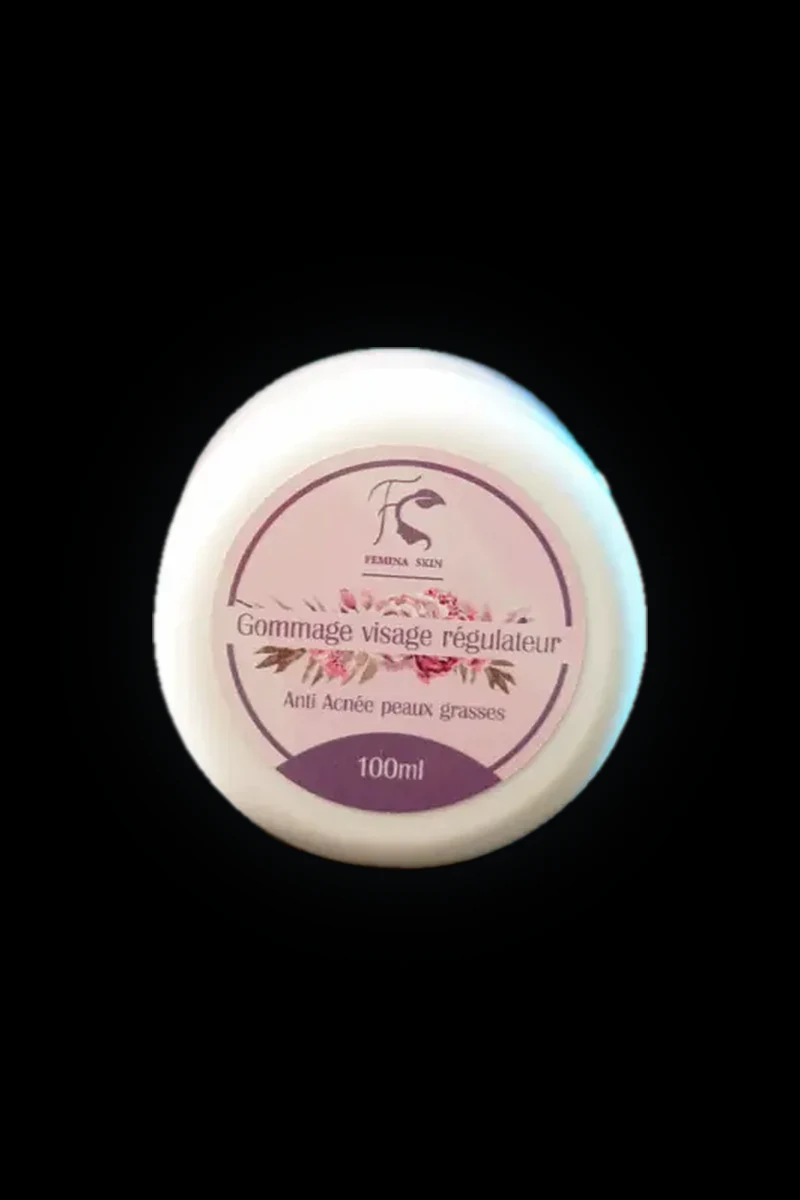 Regulating Anti-Acne Face ScrubDeep cleans pores on oily skinMAD 65
Oily skin or dehydrated skin?
A lot of skin that seems oily is both oily and dehydrated, and that is what makes even the strictest routines fail. Skin short of water produces more sebum to compensate: the more you strip it, the shinier it gets.
The telltale sign: skin that feels tight straight after cleansing, then shines two hours later. In that case the problem is not too much sebum but too little water, and the answer is to moisturise more rather than cleanse harder.
Morning and evening need different things
In the evening, your skin carries the day's sebum, pollution and make-up: cleansing is what matters, and it is the time for active treatments. In the morning there is only what the skin produced overnight: a quick cleanse is enough, and the priority shifts to moisturising and sun protection.
Cleansing with the same intensity morning and evening is a common cause of irritation in oily skin.
Sun protection, even on oily skin
It is the most skipped step and one of the most important. Sun thickens the outer layer of the skin, which clogs pores further, and it darkens the marks left by breakouts. Oily skin that goes unprotected keeps its scars much longer.
Choose a fluid or gel texture rather than a rich cream, and apply it as the last layer in the morning. If you wear make-up, it goes on before.
What makes oily skin worse without you noticing
- Washing your face four or five times a day: every wash restarts sebum production.
- Using blotting paper constantly, which sends the skin the same signal.
- Touching your face, holding your phone against your cheek, resting your chin on your hand.
- Squeezing spots, which turns three days of redness into a three-month mark.
- Changing routine every two weeks, before any of them has had time to work.
How long before you judge
Three to six weeks for a routine, and change only one thing at a time. If you add three products on the same day and your skin reacts, you will never know which one caused it.
Photograph your face once a week, in the same light. Acne-prone skin improves slowly and unevenly, and the morning mirror is a poor judge.
When to see a dermatologist
If spots are deep, painful and leave marks, if acne resists a serious routine for three months, or if it appears suddenly in adulthood, what you need is medical advice, not another product. Acne treated early leaves fewer scars, and scars are the one thing you cannot undo later.
Frequently asked questions
Do I need a moisturiser if I have oily skin? Yes, and it is often the missing step. A light, non-comedogenic texture is enough.
Does diet play a role? Fast sugars and dairy are the two best-documented leads, without being true for everyone. Test over several weeks before drawing conclusions.
Can I wear make-up with acne-prone skin? Yes, with non-comedogenic products and careful make-up removal at night. Giving up make-up does not in itself improve acne.
Product order, thinnest to thickest
The rule is simple: apply from the thinnest texture to the thickest, otherwise a rich texture stops the next one from absorbing. Cleanser, toner, serum if you use one, cream, then sun protection in the morning. Leave thirty seconds between layers.
Pillow, phone and towel
Three surfaces touch your face every day and are easy to forget to clean. Change your pillowcase twice a week, wipe your phone screen, and keep a small towel for your face only, washed often. These are details, but their effect on acne-prone skin is real.
The minimum routine for busy days
On evenings with no time or energy, do not give up on everything: a cleanser and a cream are enough. An incomplete routine kept up every night is worth far more than a perfect routine done three times a week.
The one step you never skip is removing make-up. Toner and exfoliation can wait without doing any harm.
When to add an active
Once the basics are stable: cleanser, moisturiser and sun protection for at least a month without irritation. Then add a single active, twice a week at first, and more often if your skin tolerates it.
If burning, peeling or lasting redness appears, go back to the basics for two weeks, then try again less often. Irritated skin does not improve, however good the product.
Results usually show within three to six weeks. What matters is sticking to the same routine rather than changing it constantly, because skin needs time to adapt to any new product.
Available to order across every city in Morocco, with cash on delivery and fast shipping.