How to Fade Dark Spots Naturally
Dark spots do not disappear overnight, but a simple, regular routine gradually evens out the skin tone.
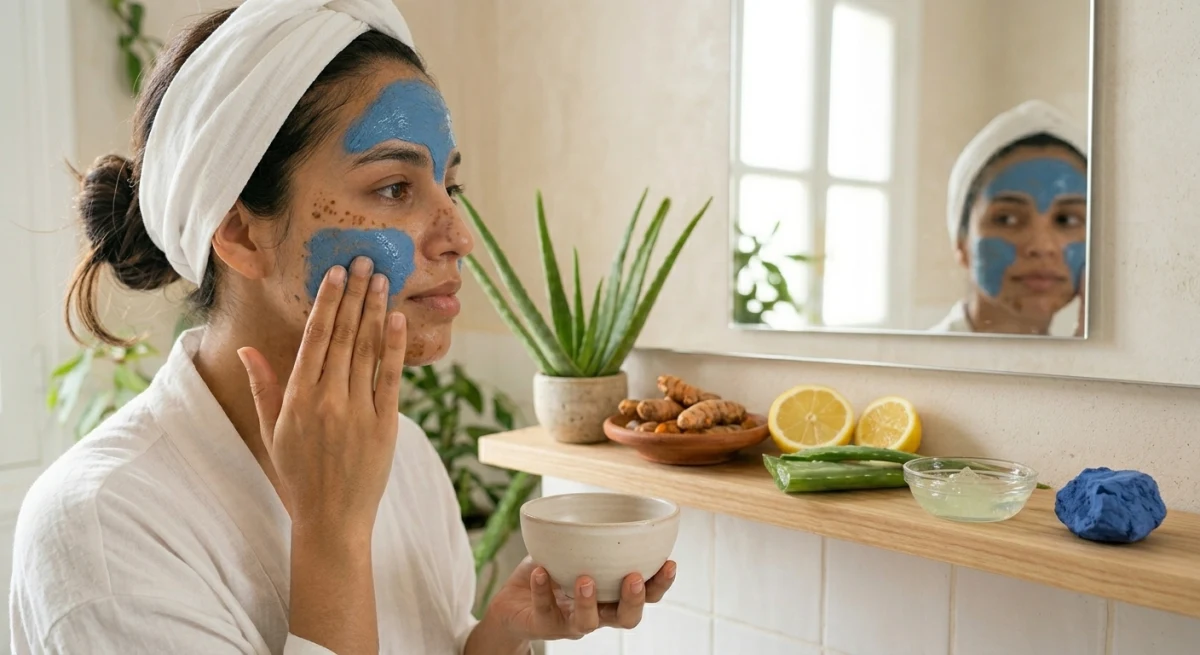
Brown spots appear for several reasons: unprotected sun exposure, acne scars, hormonal changes, or simply the passing years. The good news is that most fade noticeably with a regular routine, without treatments that are harsh on the skin.
Why do brown spots appear?
When skin goes through inflammation or UV exposure, the cells that produce melanin respond by making more pigment in that area, as a natural defence. That is what creates spots, especially on the most exposed areas such as the face and hands.
Practical steps to fade spots
- Cleanse gently every day, without scrubbing hard, to avoid irritating the skin and stepping up melanin production.
- Use a niacinamide product regularly; it helps even out skin tone gradually.
- Exfoliate gently once or twice a week to renew the surface cells.
- Protect your skin from the sun every day, because this one step stops existing spots from getting worse and new ones from appearing.
- Be patient: a visible improvement usually takes six to twelve weeks of regular use.
Results come from consistency, not from how much product you use at once.
A suggested routine for skin with brown spots
A brightening niacinamide toner, used daily after cleansing, helps even out skin tone with continued use, without being harsh on sensitive skin.
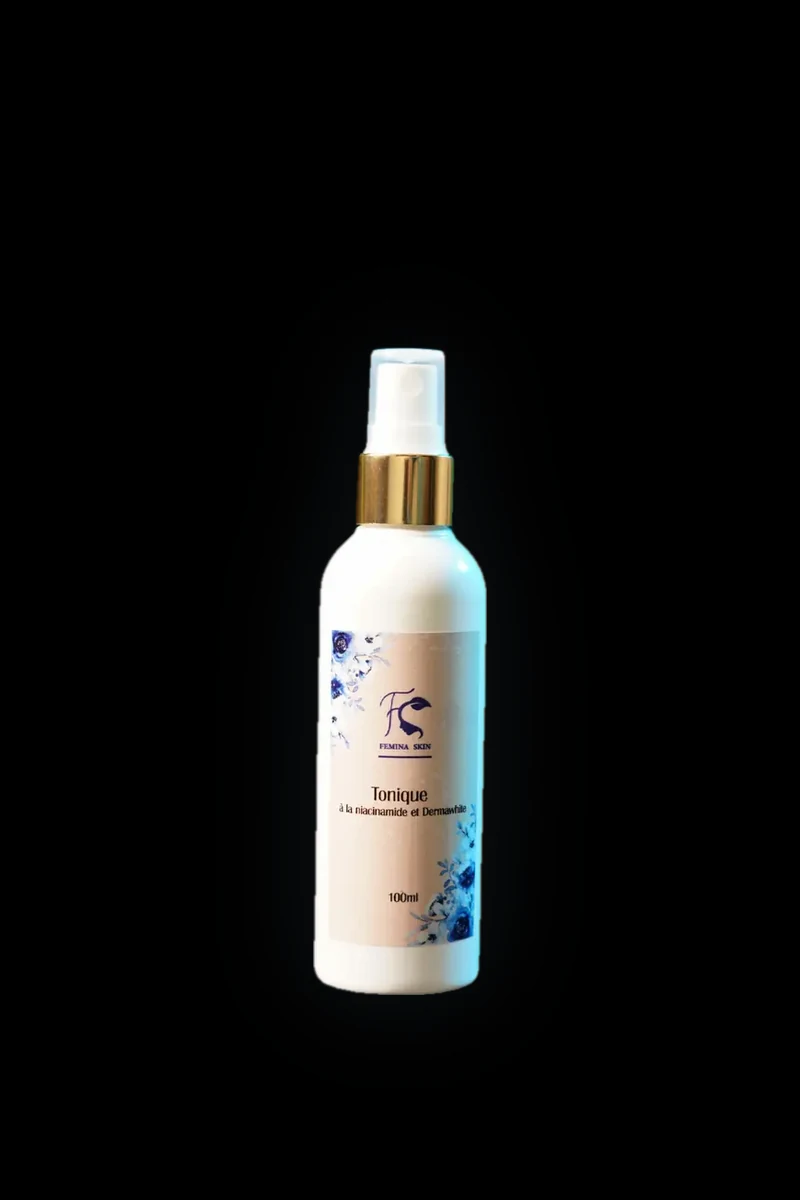 Brightening Toner DermawhiteWith niacinamide and DermawhiteMAD 45
The clay and nila mask, for its part, is excellent once or twice a week to deep-clean the skin and help it absorb your other products better.
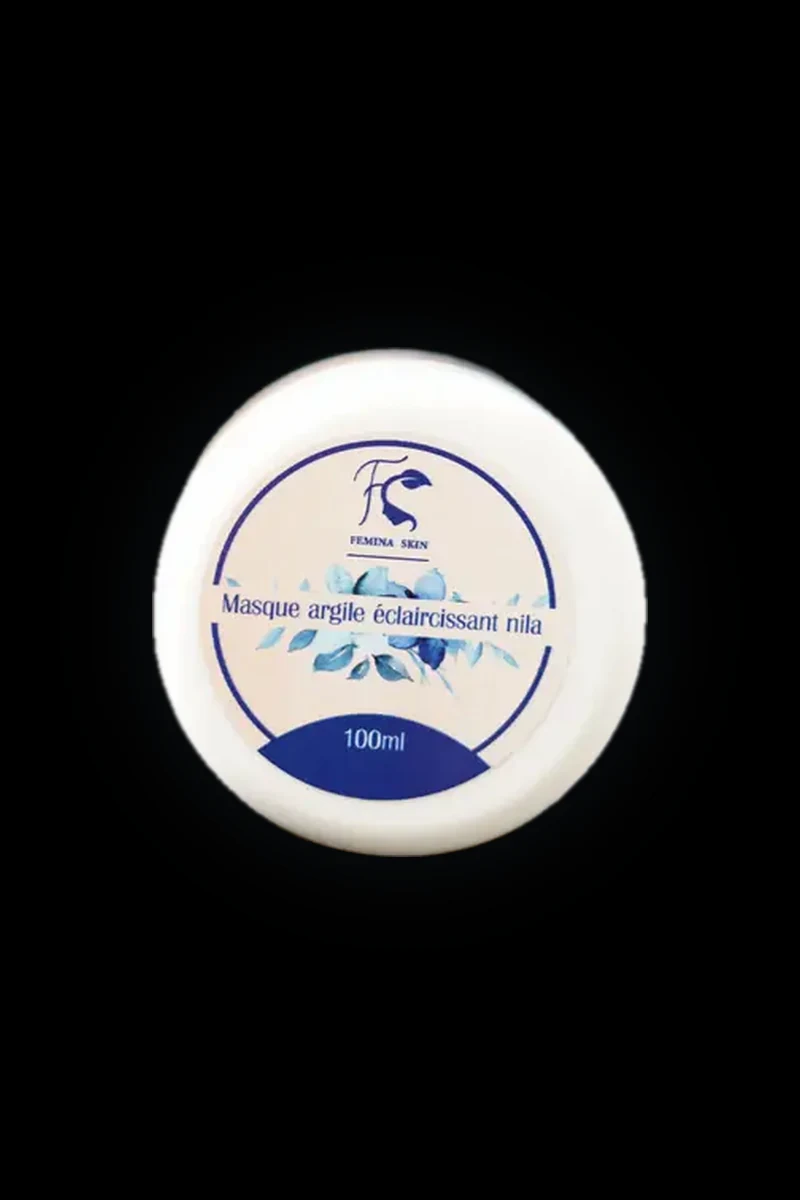 Brightening Nila Clay MaskClay and nila for a brighter toneMAD 65
Identify the type of spot before treating it
Not all brown spots respond to the same care, and that is the most common reason for failure after months of effort.
- Sun spots: small, well-defined spots on the face, hands and chest that appear after years of exposure. The most responsive to cosmetic care.
- Post-inflammatory marks: the brown trace left by a spot, a bite or irritation. They fade on their own over time, and skincare speeds that up.
- Melasma: larger, more diffuse patches, often symmetrical on the cheeks, forehead or upper lip, linked to hormones, pregnancy or the pill. The hardest to treat, and the most likely to come back.
- Friction marks: underarms, groin and neck, caused by shaving and tight clothing rather than sun.
If your spots appeared during pregnancy or after changing contraception, it is probably melasma. A dermatologist will save you months compared with trying products at random.
Sun protection decides the outcome
This is the part everyone knows and almost nobody does. A brown spot is melanin produced in response to an aggression, most often UV. As long as exposure continues, the skin rebuilds what your products fade.
In practice: SPF 50 every morning, in winter too, behind glass too, reapplied if you are outdoors for several hours. Without it, nothing else on this page will have a lasting effect, whatever product you choose.
A wide-brimmed hat does more than you might think for spots on the forehead and cheekbones, which catch the sun from above.
How long before you see anything
Allow six to twelve weeks of daily use before judging, and six months for a clear change. The skin renews its surface in about twenty-eight days, and an established spot sits across several layers: it takes several cycles to bring it up and clear it.
Photograph the area at the start, in the same light and the same place, once a month. It is the only reliable way to judge: gradual change is invisible day to day in a mirror.
Mistakes that make spots worse
- Lemon on the skin: it is photosensitising and causes exactly the pigmentation you are trying to reduce.
- Scrubbing or exfoliating aggressively: irritation triggers yet another pigment response.
- Stacking several strong actives at once, until the skin gets irritated and darkens in response.
- Stopping as soon as a spot fades, then going back into the sun unprotected: it returns within a season.
- Picking or squeezing spots, the direct cause of most post-inflammatory marks.
A realistic routine, morning and evening
In the morning: gentle cleanser, niacinamide toner, targeted treatment, then sun protection as the last layer and in a generous amount. In the evening: cleanser, toner, treatment, and a cream to finish.
Once or twice a week only, a clay mask or a gentle scrub, never both on the same day. Exfoliation helps products penetrate, but it becomes counterproductive the moment it irritates.
Frequently asked questions
Can spots disappear completely? A recent post-inflammatory mark, often. An old sun spot, rarely all the way. Melasma, almost never for good: it is kept under control.
Can I treat spots during pregnancy? Ask your doctor before using any brightening active. Sun protection, on the other hand, remains recommended and safe.
Should I stop in summer? No, but sun protection becomes even stricter. Many people prefer to cut back on actives and focus on maintenance during the sunniest months.
The areas people forget
The face gets all the attention, but hands, chest and neck take as much sun and give away age faster. Give them the same protection and care, simply by bringing leftover product down from the face to the neck rather than buying more.
Home remedies: what helps and what harms
Honey, yoghurt and oats are gentle and safe, even if their effect on pigmentation is limited. Lemon, baking soda and coarse salt on the face damage the skin barrier and trigger more pigmentation.
The rule: if a remedy stings or turns the skin red, it is not working, it is irritating. And irritation is the shortest route to a new spot.
Patience is part of the treatment
What makes a pigmentation routine fail is not the product but stopping too early. A spot takes months, and the change in the first weeks is almost invisible. Choose a simple routine you will keep up for six months, rather than a perfect one abandoned after three weeks.
Pigmentation after hair removal
Waxing and repeated shaving leave pigmentation on sensitive areas, especially on darker skin, which produces more melanin in response to any irritation. Space out sessions, avoid exfoliating for the two days afterwards, and moisturise regularly.
Note: deep spots, or spots that suddenly change size or colour, need to be seen by a dermatologist. This routine targets surface spots linked to sun or acne scars.
Available to order across every city in Morocco, with cash on delivery and fast shipping.