How Often Should You Exfoliate Your Body?
Over-exfoliating damages skin as much as skipping it. The right frequency, explained simply.
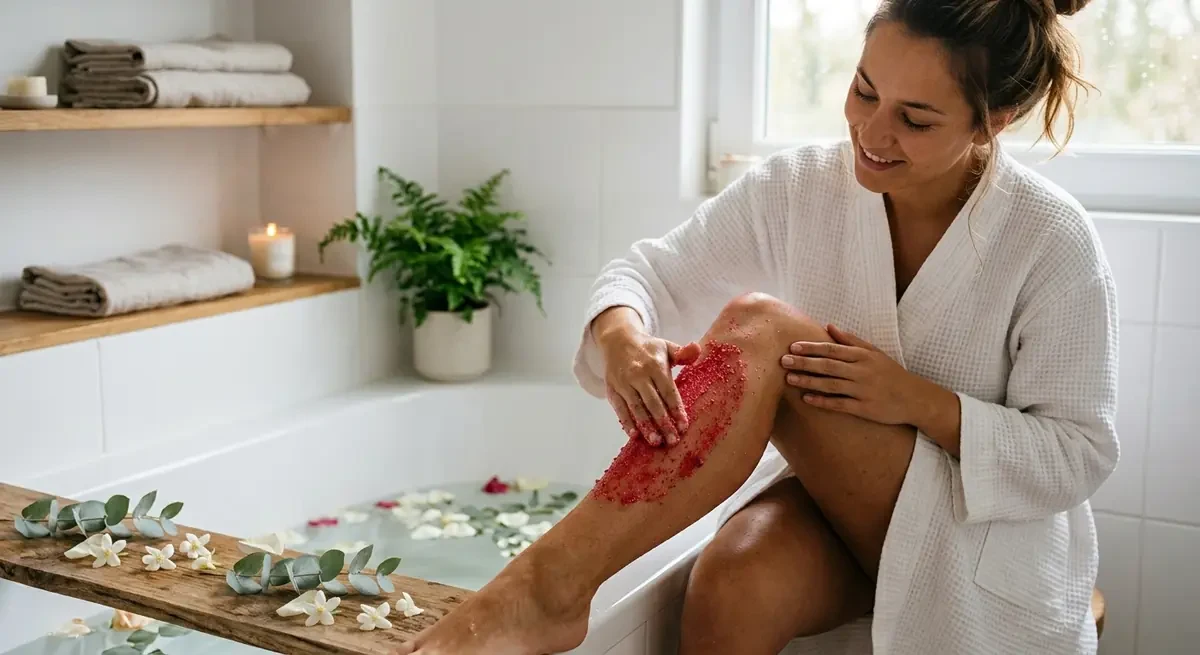
Two to three times a week for normal to oily skin, once or twice for dry or sensitive skin: that is the rhythm that leaves skin smooth without irritating it. Every day does not speed anything up — skin needs time between scrubs to renew itself, and overdoing it turns the result you want into redness.
The ideal frequency for your skin type
- Normal to oily skin: two to three times a week.
- Dry or sensitive skin: once or twice a week.
- Thicker areas such as elbows and knees can take more frequent scrubbing.
- After scrubbing, always apply a moisturiser to close the pores and soothe the skin.
Signs you are overdoing it
If your skin feels tight or turns red straight after scrubbing, or if unusual dryness appears in the following days, you are overdoing it. The fix: cut back to once a week for a few weeks, then build up again gradually.
Scrubbing is there to remove dead cells, not to strip away the living skin underneath.
Straight after scrubbing
Pores are more receptive to moisturising care straight after a scrub. It is the ideal moment for a nourishing hand and foot cream on the driest areas.
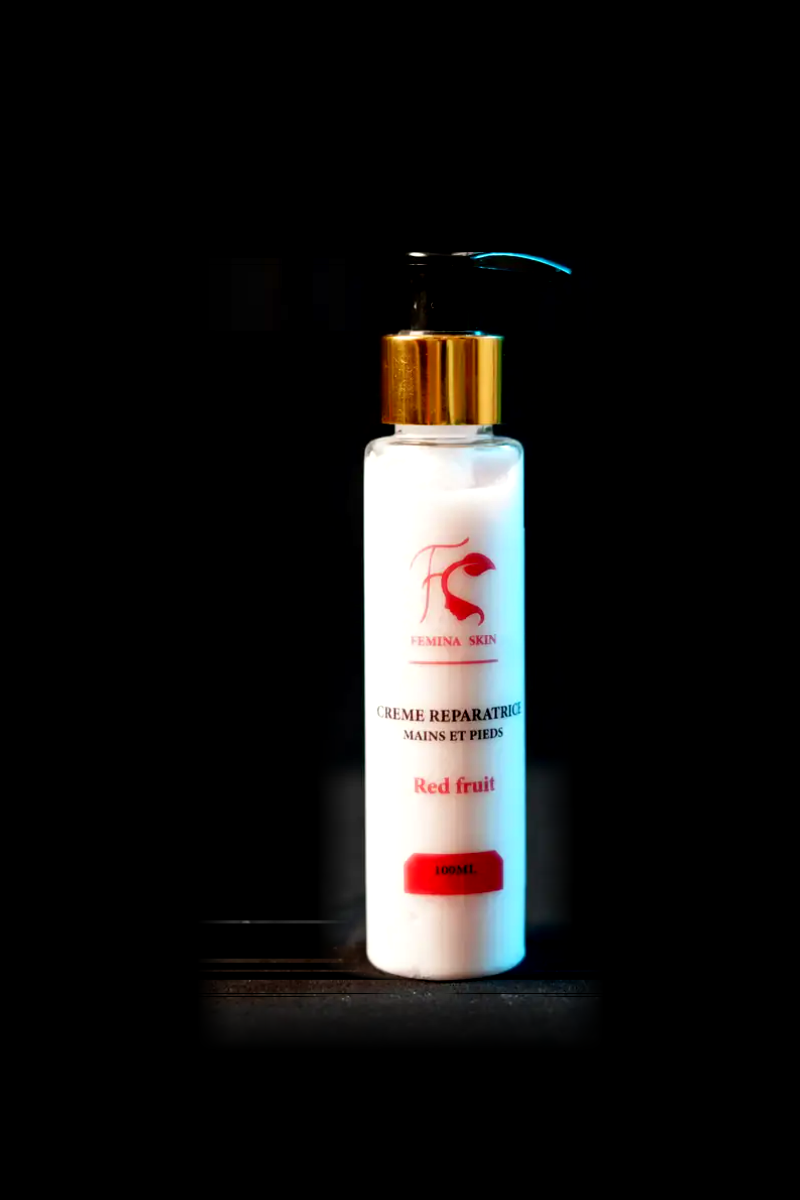 Repairing Hand and Foot CreamFor dry hands and feetMAD 59
Femina Skin's red fruit Body Scrub cleans the skin gently without being harsh, and leaves a scent that lasts after the shower.
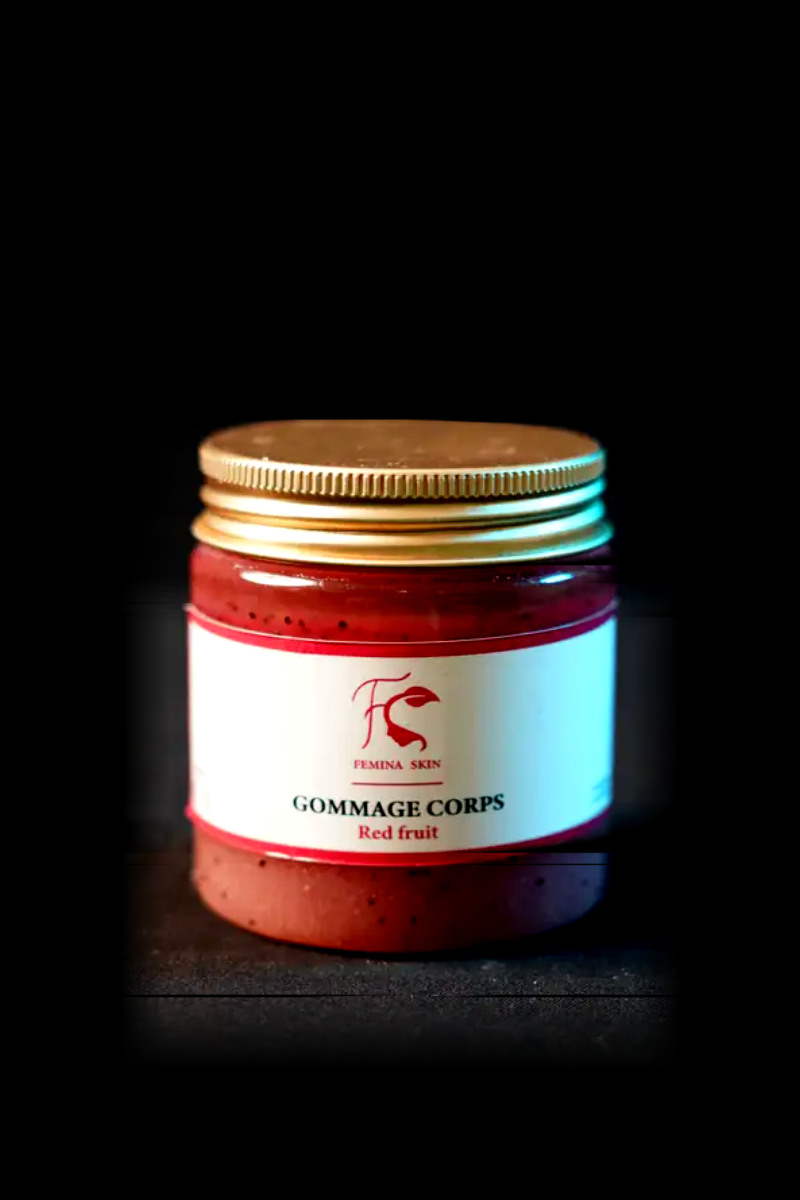 Body ScrubFor radiant, revitalised skinMAD 70
How to scrub, in practice
On damp rather than dripping skin, apply a small amount and massage in light circular movements, one to two minutes per area. Pressing harder does not help: the grains do the work, and force only causes redness and irritation.
Rinse with lukewarm water, not hot. Hot water straight after a scrub washes away the lipids your skin needs to recover, and it is the most common mistake at this step.
When to put it off
- After sun exposure or sunburn: wait until the skin has calmed down.
- On a cut, an inflamed spot or a peeling area: rubbing spreads the inflammation.
- Straight after shaving or waxing: leave at least a day.
- Right before going out on a sunny day: freshly scrubbed skin is more sensitive to the sun.
Body scrub or face scrub?
The skin on your body is thicker and more tolerant, so the grains in a body scrub are bigger. Using a body scrub on your face is a common mistake: a grain that suits a heel scratches the thin skin of the face. Each area needs its own scrub.
What scrubbing really does
It removes the layer of dead cells that makes skin dull and rough, and it lets a cream reach the skin instead of sitting on top of that layer. That is all, and it is already a lot. What it does not do: it does not treat deep dryness, it does not change your natural skin colour, and it does not replace daily moisturising.
What regular scrubbing gives you
- Softer skin, immediately after rinsing.
- A less dull complexion: it is the dead layer that gives skin that greyish look.
- Better absorption of the creams and oils you apply afterwards.
- Fewer ingrown hairs, freed before they become inflamed.
- Cleaner shaving or waxing, on a smooth surface.
Physical or chemical exfoliation?
Physical exfoliation is what this article is about: grains that remove dead cells through friction, with an immediate, noticeable result. Chemical exfoliation relies on acids that loosen the bonds between cells without rubbing, working more slowly and more deeply.
The two are not combined on the same day. If you use a body product containing acids, stick to one physical scrub a week at most, two days apart.
Every area has its own rhythm
The body is not one uniform surface, and applying the same frequency everywhere is the most common reason for irritation.
- Knees, elbows, heels: thick skin, two to three times a week.
- Arms and legs: twice a week is usually enough.
- Back and chest: areas prone to breakouts, once a week and gently.
- Sensitive areas and thin skin: once a week at most, with a fine grain.
- The face: never with a body scrub.
Scrubbing before an event
Before a wedding or special occasion, the common mistake is scrubbing on the day itself or the night before. Skin needs a day or two to calm down, and the slightest redness shows in photos. Scrub three days before, then moisturise every day.
The same goes before henna or self-tan: skin that has been scrubbed and then moisturised takes on a more even colour that lasts longer.
Frequently asked questions
How long should a scrub stay on the skin? A scrub is not a mask: one to two minutes of massage per area, then rinse. Leaving it on longer adds nothing and raises the risk of irritation.
Should I scrub every day? No. A daily scrub removes the protective layer before it has time to renew, and the skin becomes sensitive, dry and prone to redness.
Does it lighten the skin? It restores radiance by removing the dull layer, but it does not change your natural skin tone. A product that promises otherwise is exaggerating.
What about sensitive skin? Yes, with a fine grain, once or twice a week, and without pressing. If redness lasts more than an hour, the frequency or the product is not right for you.
On wet or dry skin? On damp skin. On dry skin the grains are harsher, and under running water they slide around without doing their job.
Scrubbing at the hammam
The kessa at the hammam is not an ordinary scrub: the steam softens the surface layer first, so the glove removes far more than a scrub in the shower. Once every two to three weeks is therefore enough, not twice a week.
The common mistake is doubling up: a kessa at the hammam, then a scrub a day or two later. That is clearly too much, and it shows: redness, tightness and sensitivity that last for days. Count your hammam day as the week's scrub, and wait four to five days before scrubbing again.
Savon beldi is left on for a few minutes before the glove: it is what prepares the dead layer. Skipping that step means scrubbing living skin.
Homemade scrubs: what works and what does not
Sugar or coffee mixed with olive oil really does remove dead cells, for next to nothing and with what you already have in the kitchen. There is no reason to deny it.
They do have three limits worth knowing: sugar grains have irregular edges that can scratch thin skin, a homemade mix has no preservative and goes off within days if you keep it, and its oil content makes rinsing difficult and leaves a residue in the bath.
So the real difference is not effectiveness but the consistency of the grain and how well it keeps. If you make your own, prepare enough for a single use and do not keep the rest.
Available to order across every city in Morocco, with cash on delivery and fast shipping.